Unwind in the Saronic Islands
Sailing through the Saronic Islands is like flipping through a
Kalymnos is not an island that tries to impress you.
It simply is what it is — rugged, proud, maritime, and deeply connected to the sea.
For sailors and thoughtful travelers, that’s exactly the appeal.
Located in the Dodecanese, just north of Kos, Kalymnos offers a rare combination:
a working island with strong identity, practical sailing access, dramatic landscapes, and nearby islets that feel worlds away from mass tourism.
This guide is written the GrecoSailor way — sailing-first, experience-focused, and realistic.
Kalymnos lies in the Dodecanese Islands in the southeastern Aegean Sea.
It sits very close to Kos and within short sailing distance of islands such as Leros and several small islets.
From a route-planning perspective, Kalymnos works extremely well as:
a natural stop between larger islands
a base island for short day sails
a transition point between busier and quieter parts of the Dodecanese
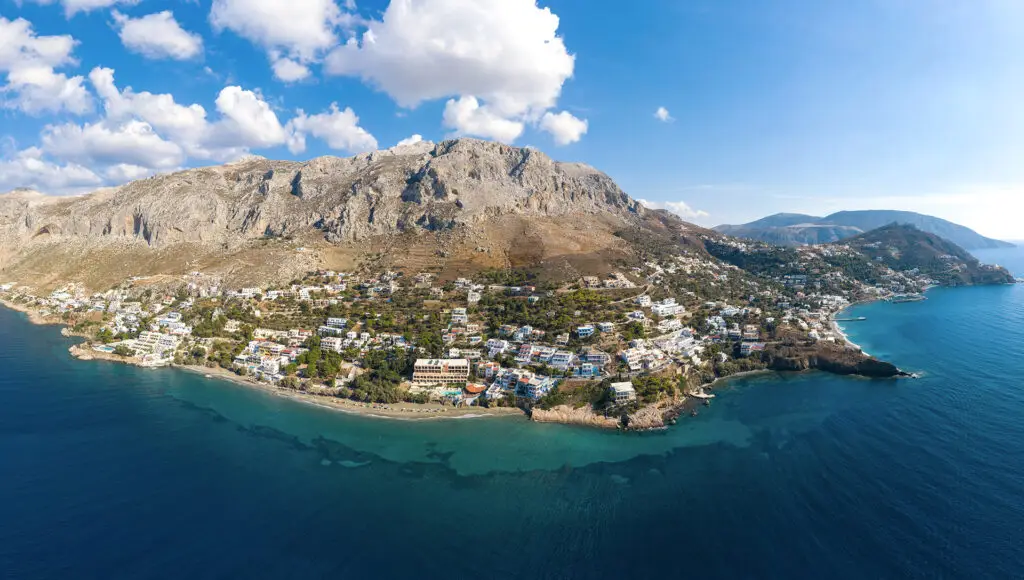
Kalymnos stands apart from many Greek islands because it never reshaped itself for tourism.
People come to Kalymnos for:
a strong maritime and sponge-diving heritage
a dramatic limestone landscape that feels raw and honest
one of Europe’s most important rock-climbing destinations
calm bays, small harbors, and nearby islets ideal for sailing stops
It’s an island that feels lived in, not staged — and that’s exactly why it resonates with sailors.
Kalymnos has a distinctly masculine, hardworking energy.
Fishing boats, sponge-diving history, and maritime traditions are still part of daily life.
You’ll notice:
practical harbors rather than polished marinas
simple, excellent food instead of curated dining scenes
locals who are direct, proud, and welcoming once you slow down
For GrecoSailor visitors, this translates into an island that feels authentic and grounded.
Kalymnos is surprisingly versatile throughout the year.
Late spring & early summer: ideal balance for sailing, swimming, and exploring
High summer: lively ports, warm water, and steady winds for confident sailors
Autumn: calmer pace, excellent visibility, and comfortable temperatures
Because Kalymnos is not purely seasonal, it retains its character even outside peak months.
Kalymnos is accessible by ferry through its main port in Pothia (Kalymnos Town), with connections across the Dodecanese and onward routes depending on season.
Several travelers reach Kalymnos by:
ferry via nearby islands (especially Kos)
flight to Kos followed by a short sea crossing
private yacht or charter as part of a Dodecanese itinerary
For sailing routes, Kalymnos fits naturally into multi-island plans without forcing long legs.
Kalymnos is defined by steep coastline sections interrupted by coves, bays, and inlets.
The seabed and coastline shape make it well suited for sailors who enjoy exploration rather than marina hopping.
Key sailing considerations:
plan overnight stops based on wind direction
expect clear water but variable depth near shore
use Kalymnos as a hub for short hops rather than long passages

Vathy is the moment most people remember from Kalymnos.
Approaching Vathy feels almost theatrical:
a narrow opening from the sea that suddenly reveals calm water, greenery, and small settlements tucked around the bay.
Why Vathy matters:
sheltered, calm atmosphere
striking scenery from sea level
perfect balance between nature and human scale
Whether you arrive by boat or road, Vathy is one of those places that resets the pace of a trip.
Just across a narrow channel lies Telendos — quiet, compact, and refreshingly simple.
Telendos offers:
swimming in crystal-clear water
slow lunches by the sea
dramatic sunsets with minimal noise
For sailing itineraries, Telendos often becomes the “unexpected favorite” stop — the place people wish they stayed longer.
Kalymnos is internationally famous for rock climbing, attracting visitors from around the world.
Even if you don’t climb:
the island’s adventure culture adds energy
climbers bring a relaxed, international vibe
cafés and tavernas feel open and social
It’s one of the few Greek islands where sailing, hiking, and climbing naturally coexist.
Kalymnos has long been associated with sponge diving, a tradition that shaped both its economy and identity.
This heritage is not frozen in a museum — it’s visible in:
the port town atmosphere
local stories and symbols
the island’s deep relationship with the sea
Understanding this background helps explain why Kalymnos feels different from nearby islands.
Day 1:
Arrival, settle in, explore Pothia, keep plans light.
Day 2:
Vathy Bay — slow day, swimming, short walks, relaxed meals.
Day 3:
Telendos — swim, eat, sunset, disconnect.
If conditions allow, add nearby coves or islets based on wind and comfort.
Don’t rush — Kalymnos rewards slower pacing
Plan overnight stops carefully rather than chasing distance
Use Kalymnos as a connector island, not just a destination
Combine sea time with simple land exploration
Is Kalymnos good for sailing?
Yes. Its coastline, nearby islands, and strategic location make it very suitable for sailing routes in the Dodecanese.
What is Kalymnos best known for?
Sponge-diving heritage and world-class rock climbing.
What is Vathy in Kalymnos?
A dramatic, sheltered bay often described as fjord-like, and one of the island’s highlights.
Can you visit Telendos from Kalymnos?
Yes. Telendos is very close and makes an excellent short trip or overnight stop.
How long should you stay in Kalymnos?
Two to three days works well as part of a sailing itinerary; longer stays suit climbers and slow travelers.
Sailing through the Saronic Islands is like flipping through a
Ahoy, adventurous sailors! Welcome to the Dodecanese Islands, where Poseidon
Aegina Island Travel Guide: The Perfect Greek Island Getaway Located
Contact Us Now to Create Your Dream Sailing Itinerary [email protected]