

The Cyclades are far more than the iconic caldera sunsets of Santorini and the cosmopolitan buzz of Mykonos. Beyond the headline islands lies a constellation of white-washed harbours, wind-shaped headlands, ancient footpaths and quiet anchorages where time slows to the rhythm of the Meltemi.
From the raw, elemental beauty of lesser-known isles to traditional fishing villages, hidden coves with crystal-clear water, and hilltop choras glowing at dusk, this is the Cyclades at their most authentic.
Join us as we set sail off the beaten trackcharting a route through culture, seamanship, local flavours and unspoilt landscapes to discover a more intimate, rewarding side of Aegean cruising.
Cyclades Archipelago: A Sailing-First Way to Explore Greece’s Aegean Heart
The Cyclades archipelago is often reduced to a handful of famous images: white villages, blue domes, dramatic sunsets. But experienced travelers and sailors know that the real Cyclades story happens between the islands, not only on them.
This guide is written for those who want to explore the Cyclades with intention — understanding wind, distance, rhythm, and character — whether by sailboat or by carefully planned island hopping. It’s not about ticking boxes. It’s about choosing the right islands, at the right time, in the right order.
What Are the Cyclades?
The Cyclades are a large group of islands scattered across the central Aegean Sea, roughly between mainland Greece and Crete. The name comes from the ancient idea that the islands formed a circle around Delos, one of the most important sacred islands of ancient Greece.
Today, the Cyclades include more than 200 islands, islets, and rocks. Only a few dozen are inhabited, and each one has a distinct personality — shaped by wind, terrain, history, and distance from major routes.
For sailors, this region represents true Aegean sailing: clear water, deep bays, exposed passages, and a seasonal wind pattern that rewards good planning.
Where Are the Cyclades Located?
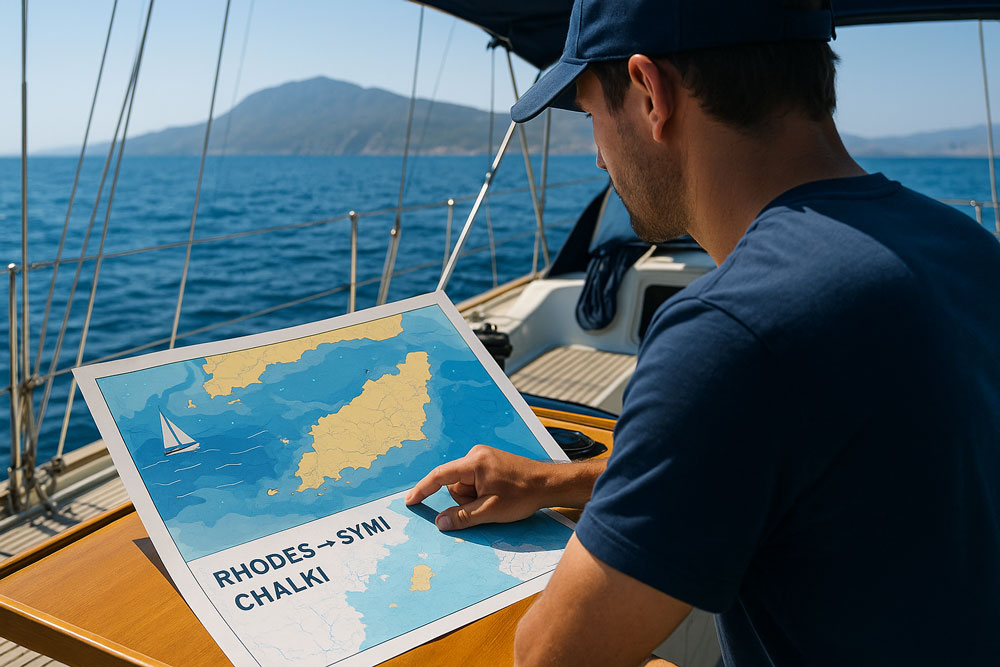
Geographically, the Cyclades sit southeast of Athens in the heart of the Aegean Sea. This central position makes them relatively easy to reach, but it also means they are directly exposed to northern winds during summer.
Distances between islands can look short on a map, but conditions at sea can change quickly. That’s why route design matters here more than in many other Greek island groups.
What Makes the Cyclades So Special?
People visit the Cyclades for different reasons — and the beauty of this region is that it can satisfy more than one travel style in a single trip.
Sailors come for consistent winds, memorable passages, and anchorages with stunning water clarity
Travelers come for iconic villages, beaches, hiking paths, and authentic island life
Slow explorers come for quiet mornings, local tavernas, and islands where time still feels elastic
The Cyclades are not about luxury alone or wilderness alone — they are about contrast. Busy ports followed by silent bays. Lively towns followed by empty anchorages.
Choosing the Perfect Time for a Cycladic Escape
Timing is critical in the Cyclades, especially if sailing is part of your plan.
May, June, and September are widely considered the best months overall. The sea is warm, crowds are manageable, and the Meltemi winds are usually less aggressive.
July and August bring strong Meltemi winds, busier ports, and higher prices. These months are excellent for experienced sailors who enjoy sporty conditions, but they can be challenging for relaxed cruising or mixed-experience crews.
April and October offer quieter islands and a more local atmosphere, though ferry schedules and services become more limited.
How to Get to the Cyclades
Most visitors reach the Cyclades from Athens by ferry, departing from ports such as Piraeus or Rafina. Travel time depends on the island, vessel type, and weather conditions.
Several major islands also have airports, which can be useful if you want to start your trip from a specific location or meet a yacht charter.
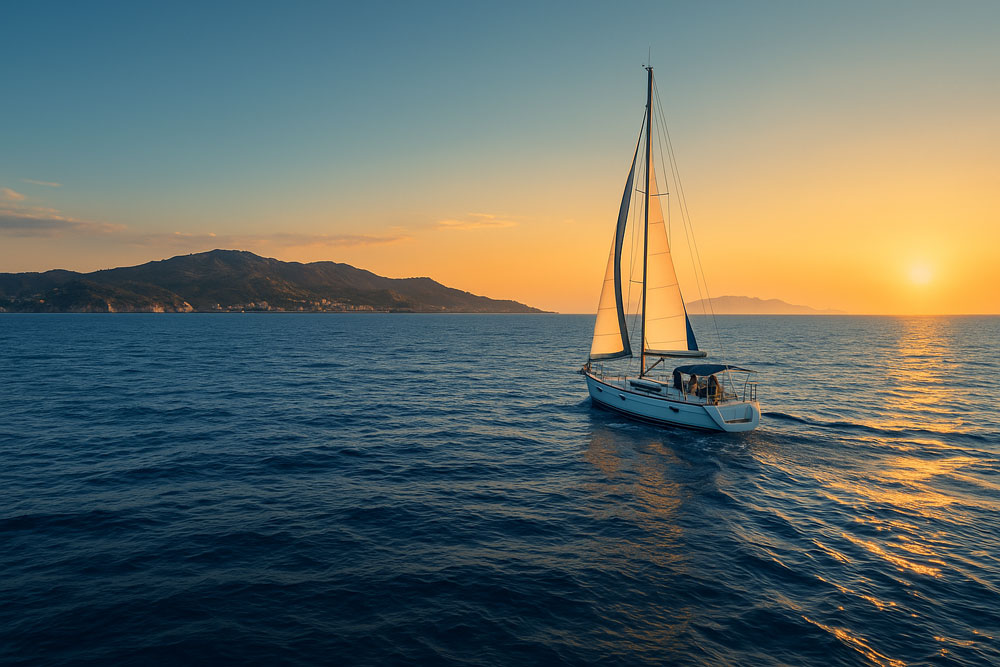
For those who want maximum freedom, sailing or chartering a yacht is the most flexible way to explore the Cyclades. It allows access to remote bays, avoids rigid ferry schedules, and makes it possible to adapt routes to weather and mood.
Island-Hopping in the Cyclades
Travel between islands can be done in several ways:
Ferries connect most inhabited islands but are weather-dependent
Cars and scooters are useful on larger islands
Sailing offers the most flexibility and access to hidden locations
If your goal is to combine multiple islands without constant packing and unpacking, sailing is often the most efficient option.
Weather, Winds & Seas in the Cyclades
The defining feature of Cyclades sailing is the Meltemi – a seasonal north wind that typically appears in summer. It can blow steadily for several days, creating challenging conditions on certain routes while offering fantastic sailing on others.
Successful Cyclades sailing depends on:
Choosing routes that work with the wind
Selecting anchorages based on protection, not just beauty
Keeping buffer days in your itinerary
Where to Go in the Cyclades (A Practical Island Mix)
Instead of ranking islands, it’s more useful to group them by experience.
Western Cyclades – Balanced & Accessible
Ideal for varied scenery and manageable distances:
Central Cyclades – Variety & Energy
Good infrastructure and easy island hopping:
The Little Cyclades – Quiet & Rewarding
Small islands with minimal crowds:
Schinoussa
Donoussa
Anchorages, Bays & Marinas
The Cyclades offer a mix of organized ports and natural anchorages. Many of the best nights happen at anchor, especially when you choose bays that match the wind conditions.
Key things to know:
Depth can increase quickly near shore
Protection varies greatly depending on wind direction
Popular ports fill early in peak season
Planning anchorages in advance improves safety, sleep quality, and overall enjoyment.
What to Do When You’re Not Sailing
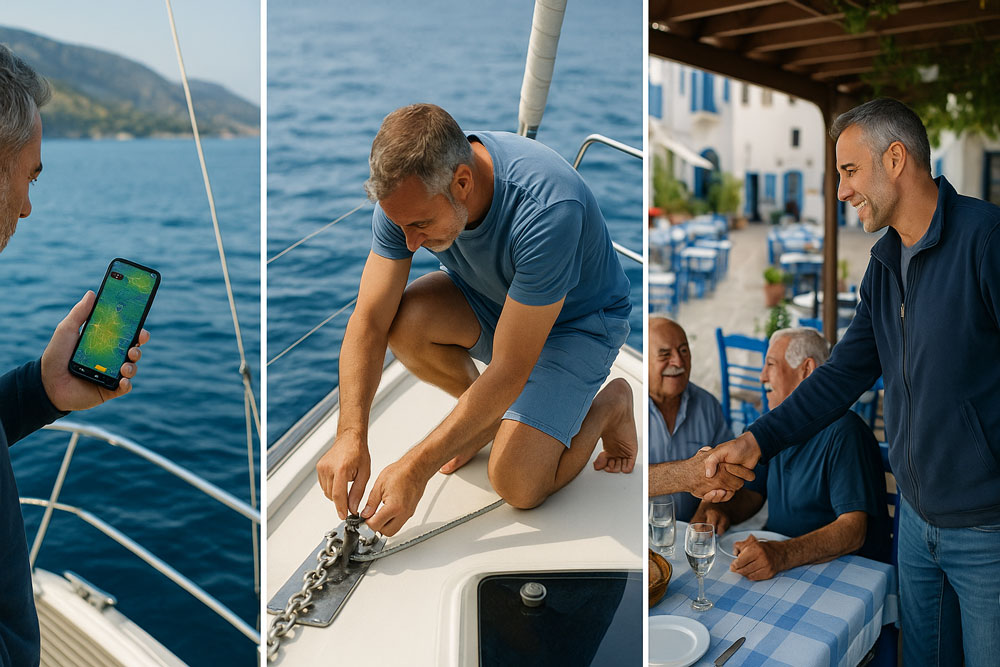
A Cyclades trip is about rhythm. Sail in the morning, swim at anchor, explore villages in the afternoon, dine simply in the evening.
Popular on-land experiences include:
Walking through chora villages at sunset
Hiking old island paths
Swimming in clear, uncrowded coves
Eating local food away from main tourist strips
Practical Tips for the Cyclades
Plan with the wind, not against it
Keep at least one flexible day
Arrive early to busy ports
Pack light layers and wind protection
Avoid over-scheduling
The Cyclades reward patience and adaptability.
Frequently Asked Questions
How many islands are in the Cyclades?
Over 200 islands and islets, with around 20–30 inhabited.
Which Cyclades islands are best for sailing?
Milos, Paros/Antiparos, Naxos, Serifos, and the Little Cyclades are among the most popular.
When is the best time to sail the Cyclades?
May–June and September offer the best balance of weather and crowds.
Is the Cyclades suitable for beginner sailors?
Yes, with proper planning and preferably outside peak Meltemi months.
How many days do you need in the Cyclades?
7 days is the minimum; 10–14 days allows a relaxed, safer itinerary.
Ready to explore the Cyclades the right way?
Start with a sailing-first itinerary built around wind, distance, and experience — not guesswork.